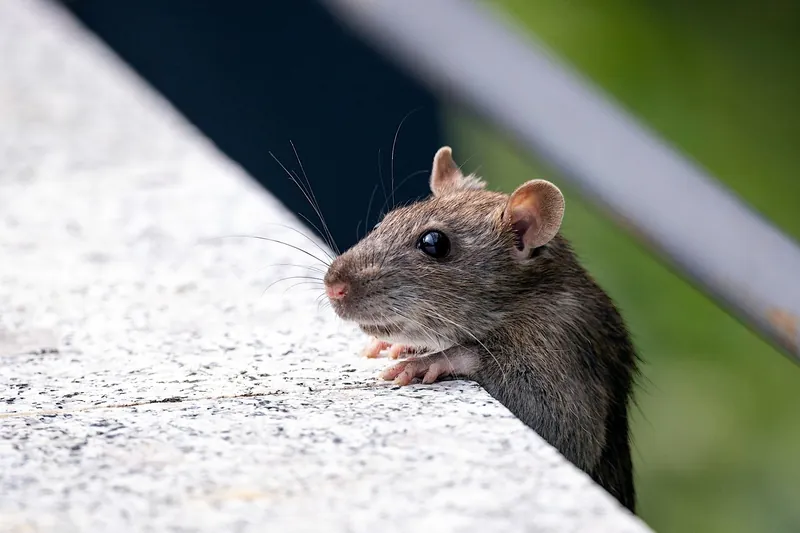
Rodent Droppings and Hantavirus Cleanup
Attics, basements and crawl spaces receive cleanup for rodent droppings and hantavirus.
See rodent droppings and hantavirus cleanupGet a dead animal located and removed from a wall, attic, vent, crawl space, home or business in Sharon Springs, followed by cleaning and odor treatment at the source.
This service finds and removes a dead animal, cleans the areas it affected, treats contamination and works to reduce odor where it originates.
Sometimes the animal is in plain view in a yard or room. In other cases, it is beneath a floor, within ductwork, under insulation or behind drywall. Locating it comes first, with care taken to avoid opening unnecessary parts of the structure. Access might be direct, or it could require a small opening in a cabinet, ceiling or wall.
The job does not always end when the remains are gone. Decomposition fluid may have entered wood, insulation or another porous surface, and leftover residue must be checked. Some affected material may need disposal. An EPA-registered disinfectant is used on cleanable hard surfaces and left for the complete contact time stated on its label. Odor work follows removal of the source, cleaning and drying.
Pictures and notes may document the affected area, removed materials and repairs to discuss with your insurance company or restoration contractor.
Any necessary access area is kept practical and small, and personal property nearby is moved out or covered.
You learn the plan for locating the source, opening surfaces if needed and removing affected materials, so you understand every step before authorizing the work.
Calls are answered day and night, and crews arrive in unmarked vehicles for privacy at your home, rental or business.
Dead animal cleaning can help when you find staining, insects or an odor that will not go away but cannot safely access the source. Each setting calls for a cleanup and access plan based on its location. You may encounter situations such as:
Low clearance along with soil and insulation can complicate safe entry to the area under the home where the animal lies.
When staining or odor indicates an animal inside the wall, creating limited access may be necessary.
Odor travels through the HVAC system and the exact location may be away from the room where you smell it.
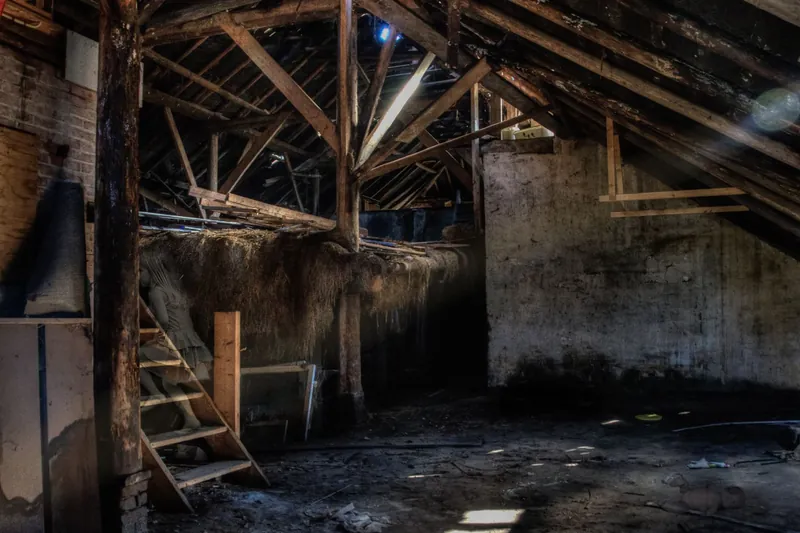
In a hot and tight attic space, an animal such as a bird or rodent can be under insulation or between framing.
Keep contact to a minimum and try to contain the odor. Before the cleanup crew arrives, follow these steps:
Call (888) 440-9227A typical dead animal removal has a published range of $150 to $250. Bob Vila and HomeAdvisor each report that figure. It covers removal, but the scope can expand if a wall must be opened, contaminated materials must come out or odor needs treatment. Access and the size of the affected area shape the final price.
Published national cost guides are the source for these ranges, rather than an inspection of your property. After an on-site assessment, the price for your property is determined and shared with you before cleanup begins.
Ask about cost: (888) 440-9227Insurance coverage varies with both the cause and your policy. Removal, building material damage and odor cleanup may receive different treatment from the insurance company. When possible, ask how each part applies before authorizing work.
The property owner commonly pays when insurance does not apply. A tenant should report the problem to the landlord before authorizing structural access.
Ask your insurance company what photos or records are required and whether restoration services, removal, odor treatment, access openings and affected insulation are covered.
Your landlord often coordinates cleanup in an attic, wall, shared area or building system, while the lease and local regulations determine responsibility.
Some policies exclude pest or animal damage, while a covered opening or sudden event may be treated differently. Discuss each portion of cleanup separately.
The practical sequence for dead animal remediation is to locate the source, reach it safely and remove both the remains and affected materials. Cleaning, odor treatment and step-by-step records follow.
Technicians inspect the strongest odor area, likely entry points, staining, insects, vents and nearby cavities before opening a surface.
For the affected area, crews select suitable respiratory equipment, gloves and clothing, then move or cover nearby belongings.
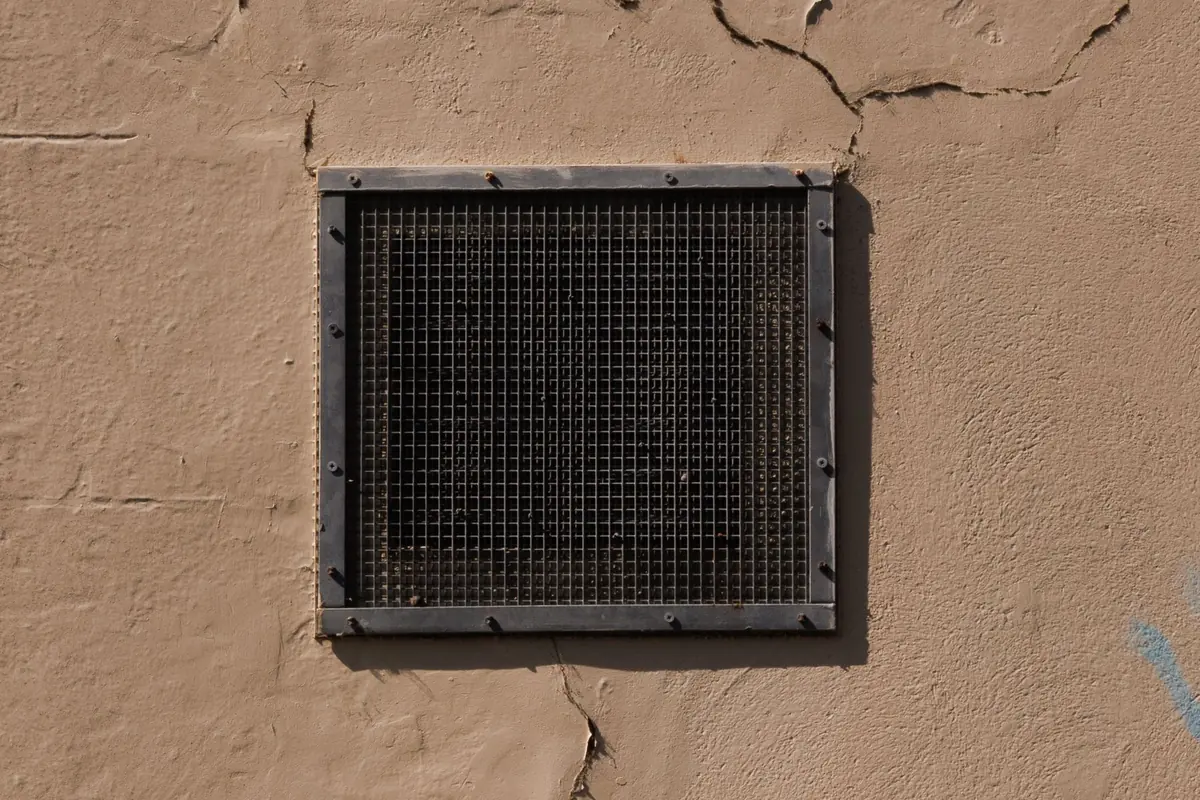
A vent cover may be removed or a limited opening may be made in a wall, ceiling or cabinet when the source is hidden.
The animal is lifted without unnecessary handling, sealed for disposal and kept from contacting clean surfaces on the way out.
Crews distinguish cleanable materials from damaged drywall, cardboard, padding or insulation that has been soiled.
Crews clean each hard surface before using an EPA-registered disinfectant and keeping it wet for the full contact time shown on the product label.
After taking out the source and soiled items, crews move the air, use HEPA filtration and apply an appropriate odor treatment.
Crews inspect the area for lingering smell or residue and give you notes on wall, finish or insulation repairs needed before you move forward.
You can call anytime. A specialist in dead animal removal and cleanup takes your call, explains each step and agrees on a start time with you.
Direct contact and sweeping dry material should be avoided because a dead animal can leave strong odor, insects, bacteria and bodily fluids nearby.
Flies and other insects can gather near the source, then enter surrounding areas. The conditions attracting them are addressed through cleaning and removal of the source.
Animal remains or affected liquid should never touch the eyes, mouth or areas where your skin is broken. If you had direct exposure or were bitten or scratched, wash your skin and consult a medical professional.
Body fluids may penetrate soil or porous building materials such as drywall, insulation and unfinished wood. If you stop at surface cleaning, contaminated materials and odor can remain.
Can you clean it yourself? Keep your pets away and consult local sanitation or animal control instructions when a small animal lies outdoors in an accessible, open location. Call for professional cleanup when the animal is hidden, the species is unknown, fluids reached porous material or you cannot avoid direct contact.
Materials stay when thorough cleaning is possible. Removal may be necessary for porous items that soaked up decomposition fluid or surfaces that cannot be accessed from every side.
Different locations and animal types may be subject to different disposal requirements. Local animal control, sanitation or public health guidance determines the correct option.
The product must have EPA registration for its intended application and stay wet as long as the contact time printed on its label.
New York treats blood-soaked materials from a biohazard scene as regulated medical waste. Rules from the Department of Environmental Conservation and the Department of Health control how it is packed, moved and treated, so it cannot go in household trash.
Local health and building rules can affect how a contaminated room is cleaned and when it can be used again, so mention any notice you have received from the city or county.
A single visit may be enough to remove an accessible animal and clean the space. More time is needed if its location is unclear, access requires opening a wall or porous material continues to hold odor.
The full dead animal removal and cleanup guide covers what is cleaned or removed, odor and air quality work, and the rules that apply in New York and Schoharie County.
Read the full dead animal removal and cleanup guidePlanning for access, containment and cleanup can depend on local population, housing and entry conditions.
In Sharon Springs, 41.0% of homes are renter occupied, so privacy and simple communication matter when a property contact is involved.
The 1938 median build year matters because fluids can travel through seams in older flooring and reach the subfloor.
In Sharon Springs, 47 older adults live alone, making privacy important when relatives, landlords, or building staff become involved.
In an area with 70.4% single-family housing, sewage or fluids may reach lower levels through stairs, drains, and utility openings.
Your phone conversation can include questions about service in nearby ZIP codes and communities.
Attics, basements and crawl spaces receive cleanup for rodent droppings and hantavirus.
See rodent droppings and hantavirus cleanup
Bird and bat droppings are cleaned from structures and attics, followed by disinfection.
See bird and bat guano cleanup
Urine-saturated materials, ammonia odor and waste are addressed through animal hoarding cleanup.
See animal hoarding cleanup
Death odor removal targets the source through ozone treatment, hydroxyl and air scrubbers.
See death odor removal
Blood, body fluids and other infectious materials are removed, followed by property disinfection.
See biohazard cleanup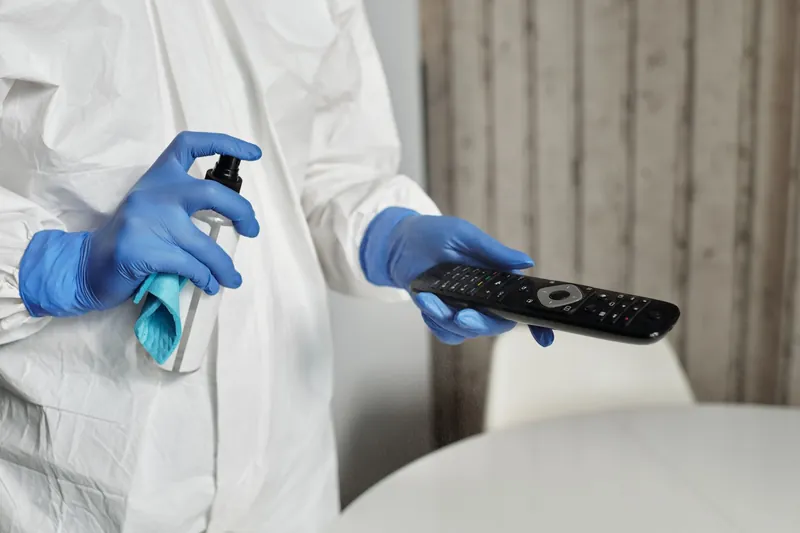
A contaminated space is restored to safe use through biological remediation and contaminant removal.
See biohazard remediation
Soaked insulation and affected soil are included in crawl space sewage cleanup.
See crawl space sewage cleanup
Rental property biohazard cleanup covers hotels and Airbnb units as well as rentals.
See hotel, airbnb and rental biohazard cleanupThe system should be checked to locate the animal before air movement spreads odor farther. A reachable vent cover or duct section may be opened for removal and cleaning. Some parts of the HVAC system need attention from a heating and cooling contractor when safe access or cleaning is not possible during removal.
Cleanup and restoration are often separate parts of the job. Crews may make a limited opening for access, remove contaminated items and record what work was done. Find out if a separate contractor is needed for painting, replacing insulation, repairing HVAC parts or closing the drywall opening.
Remains you can see through a safe opening are not the same as an animal hidden deep in the wall. Never put your hand where you cannot see electrical wires, jagged metal or affected insulation. When you cannot pinpoint the animal, decay is present or part of the structure needs opening, professional cleanup can help control contact and prevent avoidable damage.
Cost information from HomeAdvisor and Bob Vila separately places typical dead animal removal at $150 to $250. Access can change the overall scope. Ask what work is covered by the quote, since opening walls, taking out affected insulation, cleaning vents or addressing stubborn odor can add to basic animal removal.
Cleaners can locate and remove animal remains hidden in walls, rooms, attics, vents or crawl spaces. The role of animal control varies locally, though it may address live animals and those found in public spaces. When cleanup needs an opening, treatment of contamination or waste disposal, confirm that every required task is included.
Crews first take out the remains along with each accessible contaminated item. Hard surfaces are then cleaned, disinfected when appropriate and dried. Crews may follow with HEPA air filtration or another focused treatment. Fragrances and sprays cannot correct the source by themselves, since smell can return if nesting debris, contaminated insulation or fluid remains.
You can request respectful, discreet dead animal removal and cleanup 24 hours a day, and crews use unmarked vehicles.